> For the complete documentation index, see [llms.txt](https://docs.os.uk/os-apis/llms.txt). Markdown versions of documentation pages are available by appending `.md` to page URLs; this page is available as [Markdown](https://docs.os.uk/os-apis/readme.md).

# Introduction to OS APIs

**Ordnance Survey (OS)** **APIs** provide programmatic access to OS data and services. They offer a powerful gateway to rich geospatial data that empowers organisations and developers to integrate mapping information into their applications. You can use OS APIs to display a map, retrieve detailed location information for analysis and more.

OS APIs are grouped into: [**Maps**](#maps), [**Features**](#features), [**Search**](#search) and [**Utility**](#utility).

The documentation on this site will help you to understand and utilise our APIs effectively, enabling you to create tailored solutions. Each API has its own overview page, technical specification, getting started guides and additional content relating to the specific API.

## Benefits of OS APIs

<table data-view="cards"><thead><tr><th></th><th></th></tr></thead><tbody><tr><td><strong>Reduced overheads</strong></td><td>No need to download, manage, store and serve the data.</td></tr><tr><td><strong>Quick access</strong></td><td>Connect directly to data that is ready to use.</td></tr><tr><td><strong>Automation</strong></td><td>Automate your workflows by integrating OS APIs.</td></tr><tr><td><strong>Regular updates</strong></td><td>No need to update the data yourself; you'll always have the latest view.</td></tr><tr><td><strong>Flexibility</strong></td><td>OS APIs can provide efficiencies and help you be more productive.</td></tr></tbody></table>

***

## Maps

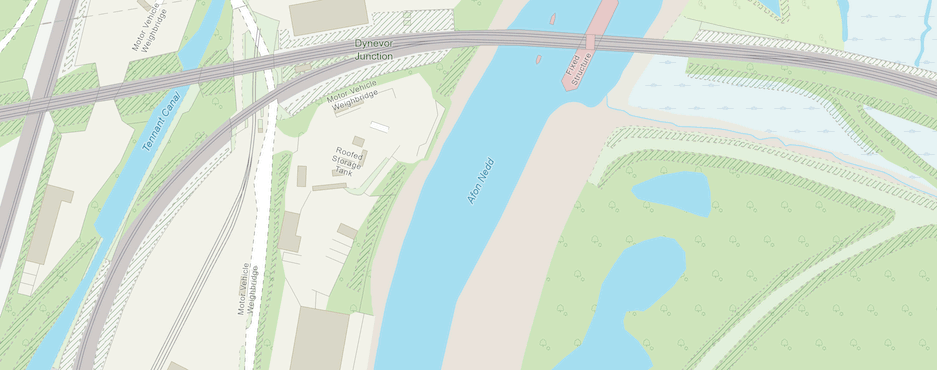
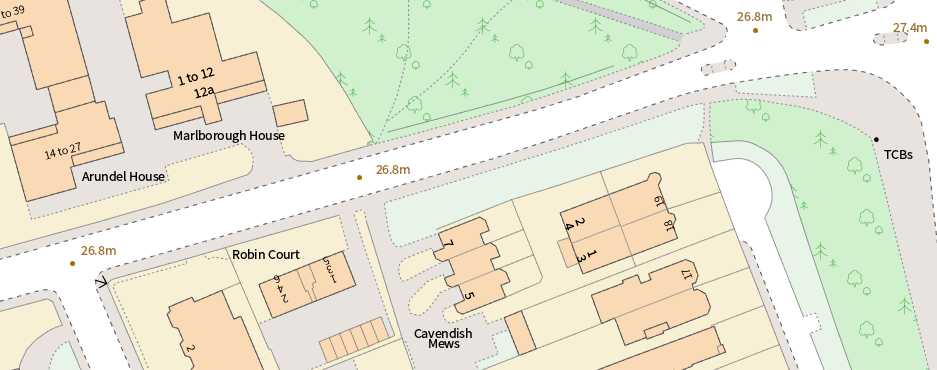
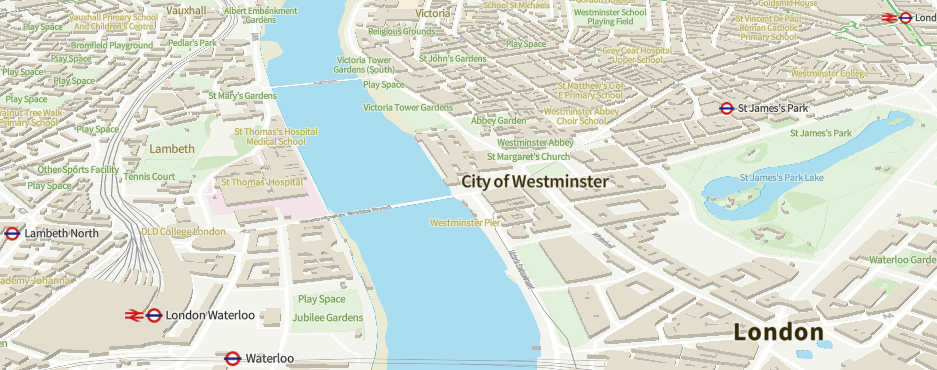
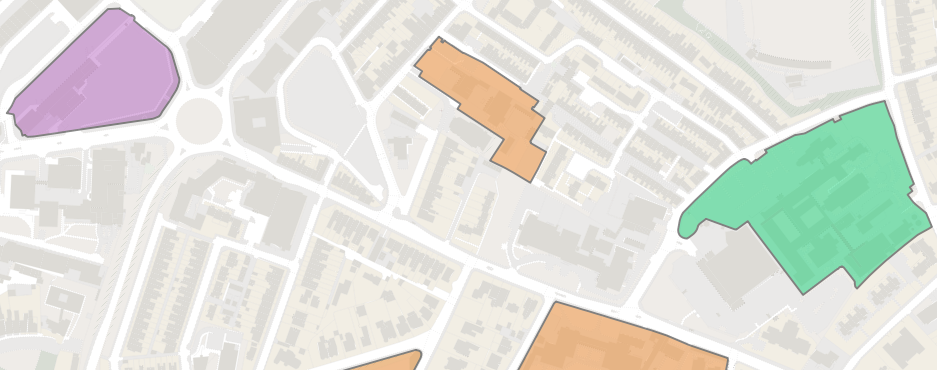
<table data-column-title-hidden data-view="cards" data-full-width="false"><thead><tr><th></th><th></th><th data-hidden data-card-target data-type="content-ref"></th><th data-hidden data-card-cover data-type="image">Cover image</th><th data-hidden></th></tr></thead><tbody><tr><td><strong>OS NGD API – Tiles</strong></td><td>OS NGD API – Tiles offers a vector tile service powered by the <a data-footnote-ref href="#user-content-fn-1">OS </a>National Geographic Database (OS NGD). It provides a detailed and customisable basemap based on the latest <a href="https://docs.ogc.org/is/20-057/20-057.html">OGC API – Tiles</a>.</td><td><a href="/pages/d6a1334a8ce2ee9c827c116d5fda57beadeeec75">/pages/d6a1334a8ce2ee9c827c116d5fda57beadeeec75</a></td><td data-object-fit="cover" data-alt="Example image of OS NGD API – Tiles data."><a href="/files/rxjvETm3oJvqGarjX5fa">/files/rxjvETm3oJvqGarjX5fa</a></td><td></td></tr><tr><td><strong>OS Maps API</strong></td><td>OS Maps API serves pre-rendered raster tiles in multiple styles to best suit your use case. Maps can be requested using the OGC WMTS standard or RESTful ZXY.</td><td><a href="/pages/l4izR9vXaHnfPBlInuHX">/pages/l4izR9vXaHnfPBlInuHX</a></td><td data-object-fit="cover" data-alt="Example image of OS Maps API data."><a href="/files/B21u6R5bSsNuUr3SXqv4">/files/B21u6R5bSsNuUr3SXqv4</a></td><td></td></tr><tr><td><strong>OS Vector Tile API</strong></td><td>OS Vector Tile API offers a vector tile service providing detailed OS MasterMap data as a customisable basemap.</td><td><a href="/pages/3c8OHrLoq5uZ5sqTYY4R">/pages/3c8OHrLoq5uZ5sqTYY4R</a></td><td data-object-fit="cover" data-alt="Example image of OS Vector Tile API data."><a href="/files/JHEZwSUixFWWhytbT2C8">/files/JHEZwSUixFWWhytbT2C8</a></td><td></td></tr></tbody></table>

***

## Features

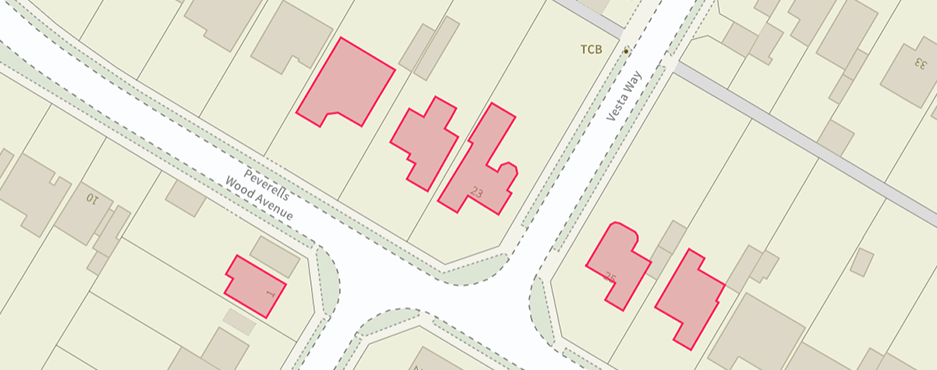
<table data-column-title-hidden data-view="cards" data-full-width="false"><thead><tr><th></th><th></th><th data-hidden data-card-target data-type="content-ref"></th><th data-hidden data-card-cover data-type="image">Cover image</th></tr></thead><tbody><tr><td><strong>OS NGD API – Features</strong></td><td>The OS NGD API – Features gives you simple access to the OS National Geographic Database (<a data-footnote-ref href="#user-content-fn-1">OS NGD</a>) allowing you to filter by attribute, location and time to create your own customised data selections.</td><td><a href="/pages/UU7rDCzl9xsrFsBjdnCQ">/pages/UU7rDCzl9xsrFsBjdnCQ</a></td><td data-object-fit="cover" data-alt="Example image of OS NGD API – Features data."><a href="/files/1ebhaiAgtCfHCqsW2EWu">/files/1ebhaiAgtCfHCqsW2EWu</a></td></tr><tr><td><strong>OS Features API</strong></td><td>The OS Features API allows you to filter OS data and receive exactly what you need, as and when you need it.</td><td><a href="/pages/Nm491RC6dVodyTgI1TWU">/pages/Nm491RC6dVodyTgI1TWU</a></td><td data-object-fit="cover" data-alt="Example image of OS Features API data. "><a href="/files/iUIQfDXvM6uoFFQROLB5">/files/iUIQfDXvM6uoFFQROLB5</a></td></tr></tbody></table>

***

## Search

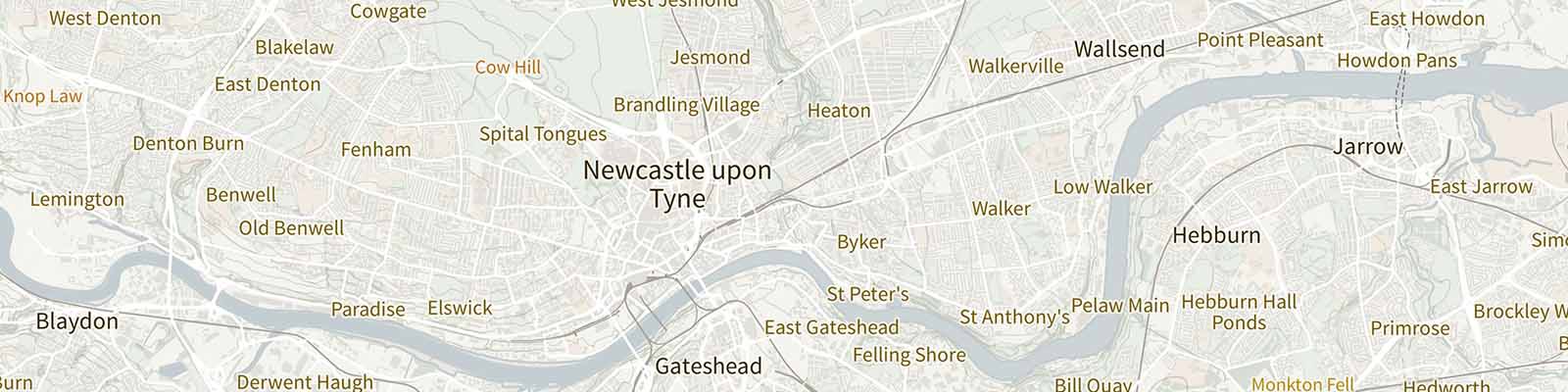
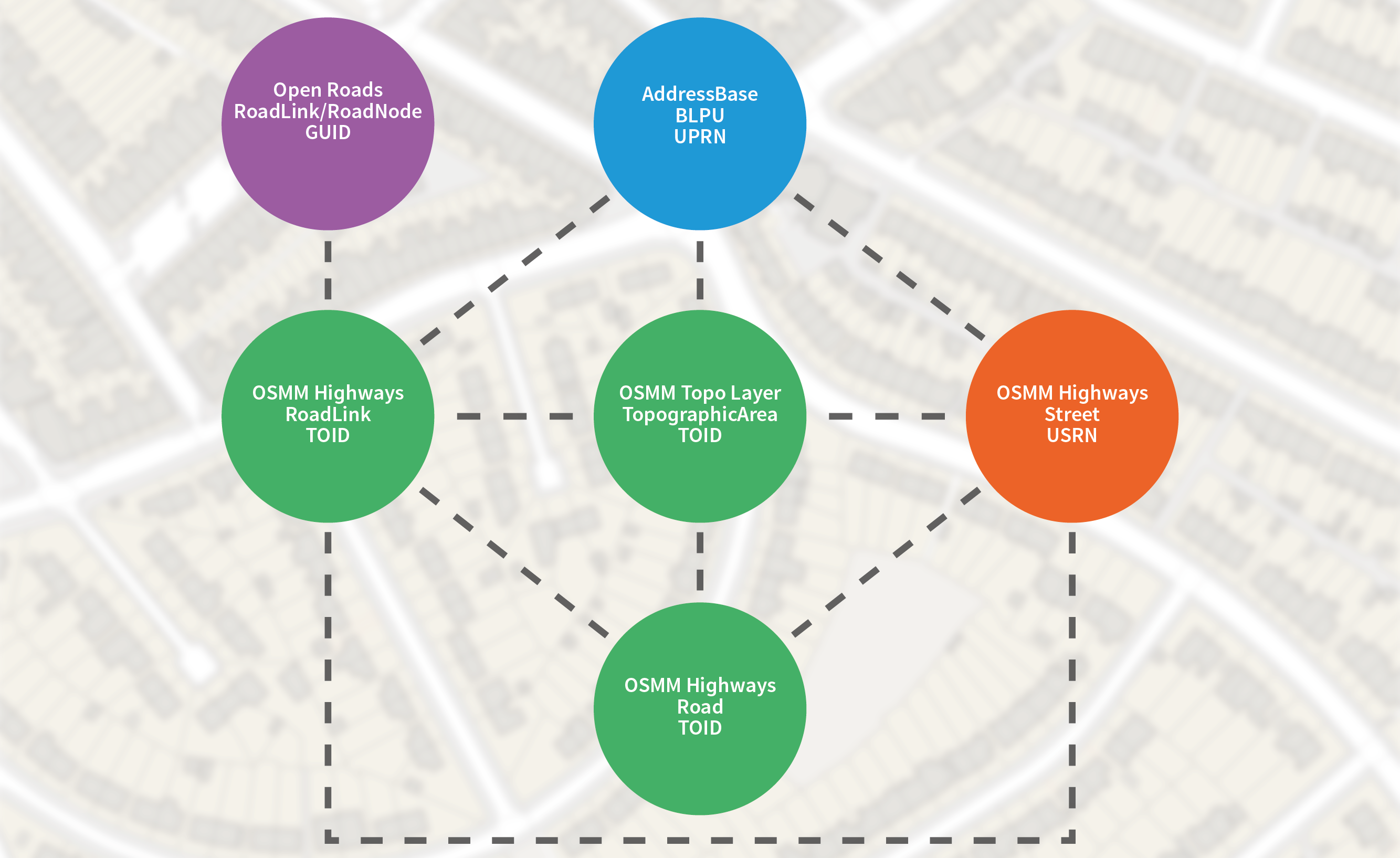
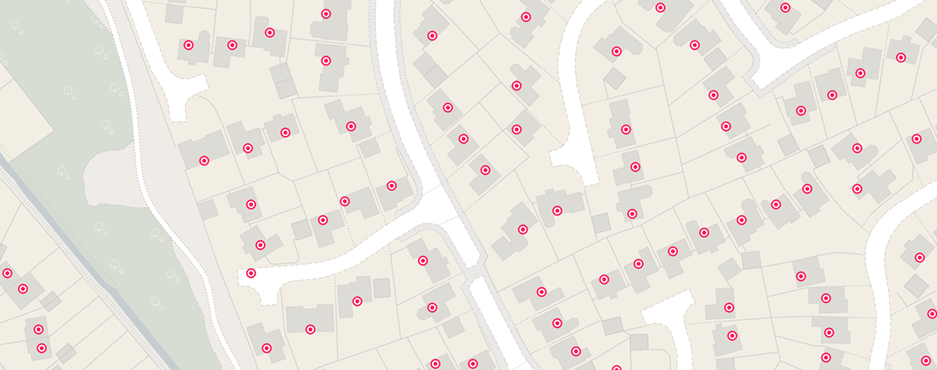
<table data-column-title-hidden data-view="cards" data-full-width="false"><thead><tr><th></th><th></th><th data-hidden data-card-target data-type="content-ref"></th><th data-hidden data-card-cover data-type="image">Cover image</th></tr></thead><tbody><tr><td><strong>OS Names API</strong></td><td>The OS Names API is a geographic directory containing basic information about identifiable places.</td><td><a href="/pages/g8pjNiuHa2aP1qr0bF15">/pages/g8pjNiuHa2aP1qr0bF15</a></td><td data-object-fit="cover" data-alt="Example image of OS Names API data."><a href="/files/avTPB1YqxLSyxVLmr9Dr">/files/avTPB1YqxLSyxVLmr9Dr</a></td></tr><tr><td><strong>OS Linked Identifiers API</strong></td><td>The OS Linked Identifiers API allows you to access the valuable relationships between properties, streets and OS MasterMap identifiers for free.</td><td><a href="/pages/WQCzwqLqsHL1YRsaPBXI">/pages/WQCzwqLqsHL1YRsaPBXI</a></td><td data-object-fit="cover" data-alt="Example image of OS Linked Identifiers API data."><a href="/files/ctnhexMDJsXFMPtqPemX">/files/ctnhexMDJsXFMPtqPemX</a></td></tr><tr><td><strong>OS Places API</strong></td><td>The OS Places API allows you to verify the address records you’re capturing against authoritative data from OS’s AddressBase Premium and AddressBase Premium Islands products.</td><td><a href="/pages/HzgpQSNs65QBXYcxsMP4">/pages/HzgpQSNs65QBXYcxsMP4</a></td><td data-object-fit="cover" data-alt="Example image of OS Places API data."><a href="/files/h6Xt27g2fBZaqYA3Y9pU">/files/h6Xt27g2fBZaqYA3Y9pU</a></td></tr></tbody></table>

***

## Utility

<table data-column-title-hidden data-view="cards" data-full-width="false"><thead><tr><th></th><th></th><th data-hidden data-card-target data-type="content-ref"></th></tr></thead><tbody><tr><td><strong>OS Downloads API</strong></td><td>The OS Downloads API allows you to automate the download of OS OpenData and OS Premium datasets.</td><td><a href="/pages/QokELz7vh2sV2iMs5AHb">/pages/QokELz7vh2sV2iMs5AHb</a></td></tr><tr><td><strong>OAuth2 API</strong></td><td>OAuth2 API provides an authentication mechanism for OS APIs to use time-limited tokens for access to resources.</td><td><a href="/pages/OLobLTd4rjrB7m7hSMmX">/pages/OLobLTd4rjrB7m7hSMmX</a></td></tr><tr><td><strong>OS Net API</strong></td><td>The OS Net API is a RESTful service provided by OS, enabling access to high-precision GNSS (Global Navigation Satellite System) data across Great Britain. It allows you to query data from OS Net reference stations, retrieve RINEX files, monitor station health and access metadata.</td><td><a href="/pages/bQV5830pICJ6Z19qBvEy">/pages/bQV5830pICJ6Z19qBvEy</a></td></tr></tbody></table>

[^1]: OS National Geographic Database


---

# Agent Instructions
This documentation is published with GitBook. GitBook is the documentation platform designed so that both humans and AI agents can read, navigate, and reason over technical content effectively. Learn more at gitbook.com.

## Querying This Documentation
If you need additional information that is not directly available in this page, you can query the documentation dynamically by asking a question.

Perform an HTTP GET request on the current page URL with the `ask` query parameter, and the optional `goal` query parameter:

```
GET https://docs.os.uk/os-apis/readme.md?ask=<question>&goal=<endgoal>
```

`ask` is the immediate question: it should be specific, self-contained, and written in natural language.
`goal` is optional and describes the broader end goal you are ultimately trying to accomplish on behalf of the user. GitBook uses it to tailor the answer towards what is most useful for that goal.

The response will contain a direct answer to the question and relevant excerpts and sources from the documentation.

Use this mechanism when the answer is not explicitly present in the current page, you need clarification or additional context, or you want to retrieve related documentation sections.